Wednesday, 21 March 2012

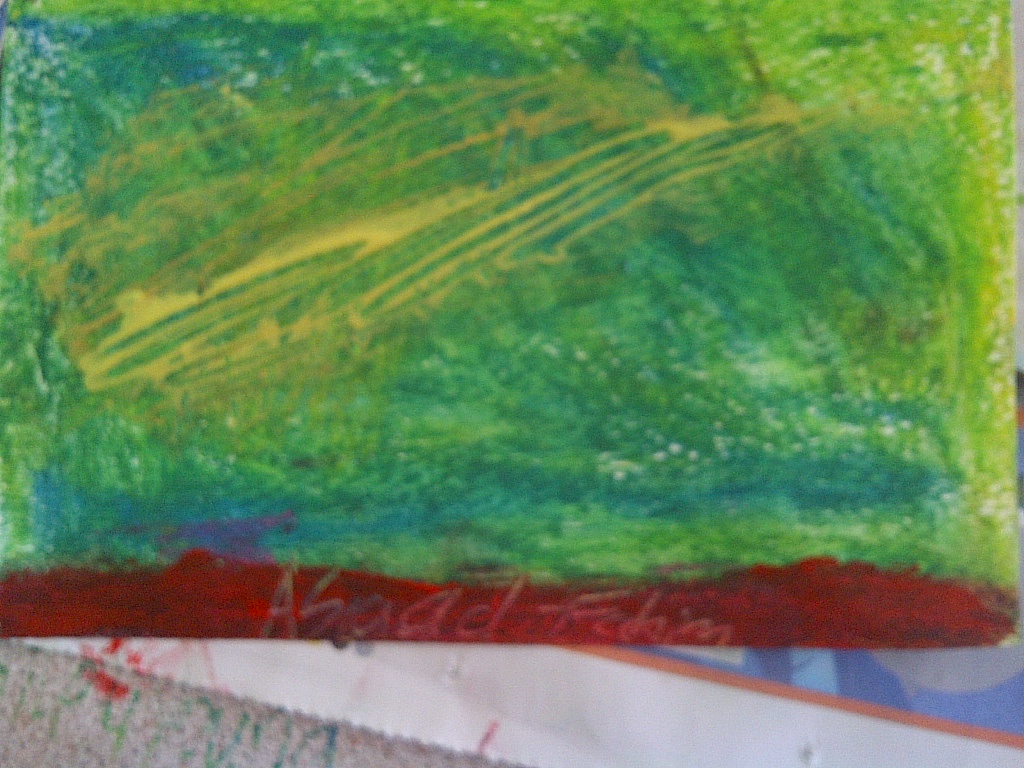
expressions of change


year 4 children's developmental sketchbooks
expressions of change

year 4 children approached the theme of change through the exploration of paint.

changes can be sudden or gradual, there are cyclical and permanent changes

we are in a state of continual change


Wednesday, 7 March 2012

great review of' think'

latest amazon review
shop here


Every aspect of this book has been painstakingly thought through and thus it is a complete triumph. There is such impressive attention to detail-from the tactile cover and quality of the paper, to the fact that the book's spine has been spiral bound, enabling the pages to lay flat for ease of use. (The artist can then select pages that inspire and refer back to them, as they work. Perfect.)
I have bought several copies of this book and have passed them on to friends. It really is one of those books that should be shared, so that its' creative ideas and influence spreads.

bradford beck


Tuesday, 21 February 2012


Think inside the
Sketchbook
Gillian Robinson, Alison Mountain and
David Hulston


Sadly, sketchbooks have gone out of
fashion and in consequence, to a large
extent, so has the sort of thinking,
recording, exploring, drawing and
observational skills that they
encourage. As John Steers says in the
preface to this exciting book: ‘How do I
know what to do or make until I can
see what I’m thinking?’
The book looks at sketchbooks (or
what might better be described as work
journals or day books) in the context of
providing a non-threatening active
space for exploration, play, selfevaluation
and reflection. There are
chapters that explore the definition of
sketchbooks, the many different people
who might use one – from school
student to blacksmith, painter and
illustrator, their value and use, and how
to start using one. And, spiral-bound
and very much sketchbook-like itself,
this excellent book is full of wonder ful,
varied and inspirational ideas and
images. Essentially this is a book for
art teachers, but equally it has much to
offer anyone who should be using a
sketchbook.
Oliver Lange

Saturday, 7 January 2012

swimming against the tide

All that is wrong with art education


My part in this book was to challenge and question prior notions of a sketchbook. I am interested in developing the book as a learning journal, a playground for ideas, a reflective and relevant space for all. 


The book is not interested in developing drawing skills, and why should it be?


 I am interested in developing curious, questioning and hungry minds that love learning and using an ideas book is a key stone of my belief.


here is a quote from a customer review from Amazon


The content is focused on (in my humble opinion) all that is wrong with art education. It does not encourage good observational drawing and developing strong skills, but rather cobbling together a bit of self expression. The book is heavily focused on teaching, particularly younger students and children, but not what I had hoped or expected. Many of the images are scribbles by very young children and only one or two skillful sketches.
There are a number of really good books focused on developing sketchbook skills. Sadly most are, as usual, from the US as UK focused art books still shy away from art being taught with the emphasis on solid foundations of drawing, with style developing later when skill is achieved


Saturday, 31 December 2011

why tweet


Tweets are small marks, utterances of the ego, insights and gestures
All of us make marks, it is human
Some of the marks we make are emotional; invisible marks made by our actions or words
We want to make a mark, leave something, change something, effect something it justifies us makes us important
We are not always aware of the marks we make
Artists believe the marks they make are important and deserve an audience
A tweet will direct an audience to something we believe is important
Artist /Educators make change by working with the small marks of others
Questioning, Challenging, opening doors, revealing pathways, choices and ambiguities
Small marks become intricate expressions
Utterances become songs and symphonies
Gesture becomes a well choreographed dance